

 0 items
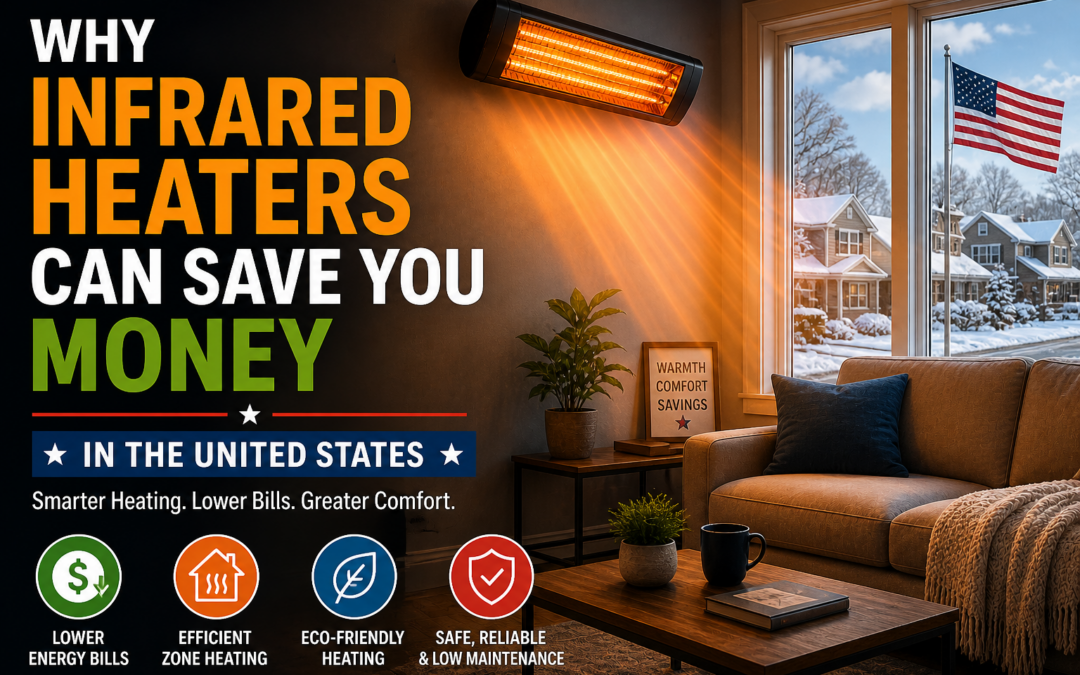
Why Infrared Heaters Can Save You Money in the United States
When colder weather arrives across the United States, heating costs can quickly climb. From chilly northern states to unexpectedly cold southern regions, homeowners and businesses alike are looking for efficient ways to stay warm without driving up energy bills. One increasingly popular solution is the infrared heater. Unlike traditional heating systems, infrared heating offers a smarter, more energy-efficient way to heat your space.
In this article, we’ll explore how infrared heaters in the United States can help you reduce heating costs while maintaining comfort during colder weather.
What Is an Infrared Heater?
An infrared heater works differently than conventional heating systems. Instead of heating the air, it uses infrared radiation to directly warm objects and people. This creates a natural, sun-like warmth that feels comfortable and efficient.
Traditional systems like HVAC units, furnaces, or baseboard heaters heat the air, which can escape through drafts, windows, and poor insulation. In contrast, infrared heating systems focus on heating surfaces and people directly, minimizing wasted energy.
Lower Energy Consumption
One of the biggest benefits of using an infrared heater in the U.S. is its energy efficiency. Because infrared heaters don’t rely on circulating warm air, they use less energy to achieve the same level of comfort.
For example:
- A portable infrared heater can heat a room without running your central HVAC system.
- Electric infrared heaters convert nearly all electricity into usable heat.
This efficiency leads to lower utility bills, which is especially important as energy prices fluctuate across the United States.
Zone Heating Saves Money
Zone heating is one of the most effective ways to cut heating costs, and infrared heaters are ideal for this approach. Instead of heating your entire home, you can use an infrared space heater to warm only the rooms you use.
Benefits of zone heating include:
- Reduced reliance on central heating systems
- Lower overall energy consumption
- More control over your heating costs
In the U.S., where energy usage varies widely by region, infrared heaters for home heating can provide a flexible and cost-effective solution.
Reduced Heat Loss
Many American homes experience heat loss due to drafts, insulation issues, or older construction. Traditional forced-air systems often struggle because warm air escapes easily.
Infrared heaters help solve this problem by:
- Heating walls, floors, and furniture directly
- Allowing those surfaces to retain and re-radiate heat
- Reducing overall heat loss
This makes infrared heating in the United States especially beneficial in older homes or buildings with less efficient insulation.
Instant Heat = Immediate Savings
An infrared heater provides instant warmth, unlike traditional systems that take time to heat up.
This means:
- No waiting for the room to get warm
- Less energy wasted during startup
- Ability to turn heaters on and off as needed
For homeowners looking to reduce energy costs during colder weather, this level of control can make a significant difference.
Lower Maintenance Costs
Traditional HVAC systems require regular maintenance, including:
- Filter replacements
- Duct cleaning
- Professional servicing
In comparison, infrared heaters:
- Have minimal moving parts
- Require little to no maintenance
- Operate without ducts or fans
This makes infrared heating systems a cost-effective long-term option for U.S. households.
Ideal for Supplemental Heating
Many Americans use infrared heaters as supplemental heating to reduce their reliance on central systems.
For example:
- Use an infrared space heater in your living room or home office
- Lower your thermostat for the rest of the house
- Save on overall heating costs
This strategy is especially effective in larger homes, where heating unused rooms can be expensive.
Safe and Eco-Friendly Heating
Modern infrared heaters in the U.S. are designed with safety and energy efficiency in mind.
Key benefits include:
- No emissions or combustion gases
- Reduced environmental impact
- Energy-efficient operation
Choosing an energy-efficient infrared heater not only saves money but also helps reduce your carbon footprint.
Perfect for Colder Weather Across the U.S.
From the Northeast to the Midwest and even parts of the South, colder weather can be unpredictable. Infrared heaters perform well in a variety of conditions because they:
- Are not affected by drafts or airflow
- Provide consistent, even heat
- Work well in garages, basements, and outdoor areas
Whether you’re using an infrared patio heater or an indoor unit, you’ll get reliable warmth when temperatures drop.
Types of Infrared Heaters Available in the U.S.
There are several types of infrared heaters available to suit different needs:
1. Portable Infrared Heaters
- Great for apartments and small rooms
- Easy to move and use
2. Wall-Mounted Infrared Heaters
- Save space
- Ideal for bedrooms and offices
3. Infrared Patio Heaters
- Perfect for outdoor heating
- Extend your outdoor living season
4. Electric Infrared Heaters
- Highly efficient
- Simple installation and operation
Choosing the right infrared heater in the United States depends on your space, budget, and heating goals.
Long-Term Cost Savings
While the upfront cost of an infrared heater may be comparable to traditional heaters, the long-term savings are substantial.
You save money through:
- Lower energy bills
- Reduced maintenance costs
- Longer equipment lifespan
Over time, infrared heating systems can pay for themselves, making them a smart investment for American homeowners.
Final Thoughts
With rising energy costs and ongoing colder weather, Americans are looking for smarter ways to heat their homes. Infrared heaters offer an efficient, cost-effective, and environmentally friendly solution.
By using infrared heaters for home heating, taking advantage of zone heating, and reducing energy waste, you can significantly lower your heating expenses without sacrificing comfort.
If you’re looking for a practical way to save money during colder weather in the United States, investing in an infrared heater is a smart choice.